Point-of-sale state energy certificates and federal STC discounts applied across Victoria, NSW, Queensland, South Australia, and WA.
- ✓ Federal Small-scale Technology Certificates (STCs) apply nationwide, providing $2,200 to $3,800 in upfront point-of-sale deductions on systems up to 100kW.
- ✓ State-based efficiency certificates (VEU in VIC, PDRS/ESS in NSW, REPS in SA) stack on top of federal discounts for hot water heat pumps and reverse-cycle aircon.
- ✓ Under Victorian Energy Upgrades (Activity 28 & 30), replacing an inefficient gas heater or hot water cylinder can attract over $3,000 in additional deductions.
- ✓ All accredited clean energy discounts must be explicitly itemized as line-item deductions on your official tax invoice - never accept a lump-sum quote without certificate visibility.
1. Federal STCs: The Foundation of Australian Solar Discounts
Every rooftop solar installation in Australia under 100kW in capacity is subsidized by the Federal Government's Small-scale Renewable Energy Scheme (SRES) administered by the Clean Energy Regulator (CER).
When you install clean energy hardware, you create Small-scale Technology Certificates (STCs) based on expected megawatt-hours of clean electricity generated from installation date through to the scheme's phase-out year in 2030:
For a typical 10kW solar system installed in Melbourne or Sydney (Zone 3 rating = 1.382): 10 × 1.382 × 4 = 55 STCs. At a current clearing price of $39.50 per STC, this delivers an upfront point-of-sale discount of $2,172.50 directly off your invoice.
2. Master State-by-State Clean Energy Rebate Matrix
| State | Program Name | Covered Clean Technology | Max Rebate Value | Stackable with STCs? |
|---|---|---|---|---|
| VIC | Victorian Energy Upgrades (VEU) | Heat Pumps (Act 30) & Multi-Split AC (Act 28) | $1,800 – $4,200 | YES (Dual Deduction) |
| VIC | Solar Victoria Battery Loan | Solar Battery Storage Systems | $8,800 (Interest-Free) | YES |
| NSW | Peak Demand Reduction (PDRS) | Home Batteries & Demand-Responsive AC | $1,600 – $2,400 | YES |
| QLD | Energex PeakSmart | Demand Response Enabled Air Conditioners | $400 per unit (Cashback) | YES |
| SA | Retailer Energy Productivity (REPS) | Heat Pump Hot Water & Efficient Split Systems | $1,200 – $2,800 | YES |
| WA | Distributed Energy Buyback (DEBS) | Solar + Battery Export Time-of-Use Boost | 10c/kWh Peak Feed-In | YES |
3. Victoria: VEU Space Conditioning & Solar Victoria
Victoria remains the nation's most aggressive state in electrification incentives. Homeowners can combine multiple distinct funding streams simultaneously:
- VEU Activity 30 (Water Heating): Replaces electric storage or gas hot water with high-COP heat pumps. Generates $2,200 to $3,200 in certificate deductions.
- VEU Activity 28 (Space Conditioning): Replaces gas ducted heating or inefficient wall furnaces with multi-head or ducted reverse cycle systems. Generates $1,800 to $4,500 in deductions.
- Solar Victoria Interest-Free Battery Loan: Up to $8,800 interest-free over 4 years to install clean battery storage alongside rooftop solar.
4. New South Wales: Peak Demand Reduction (PDRS) & ESS
In New South Wales, the Peak Demand Reduction Scheme (PDRS) targets lowering pressure on the grid during scorching summer afternoons between 2:30 PM and 8:30 PM.
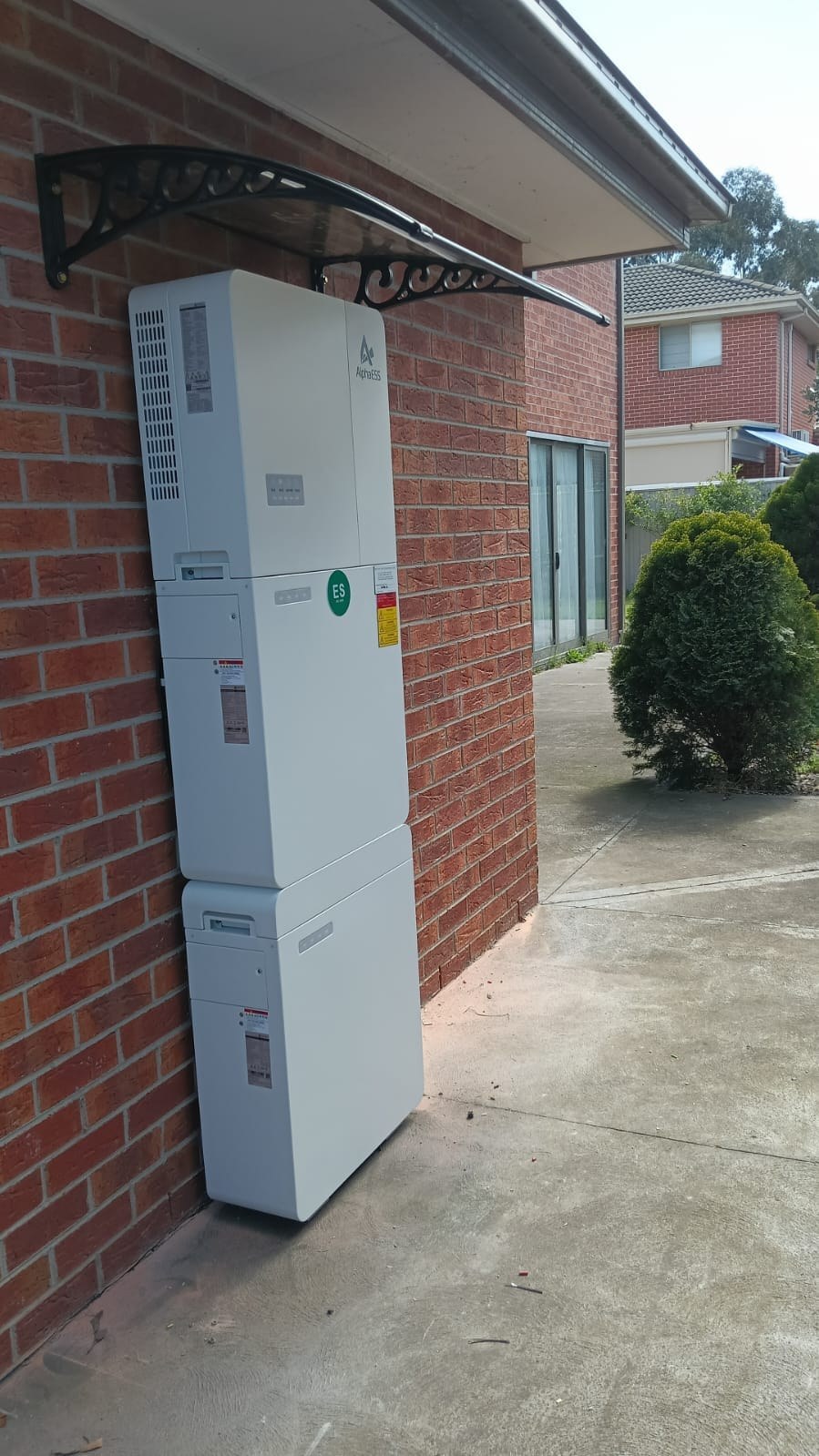
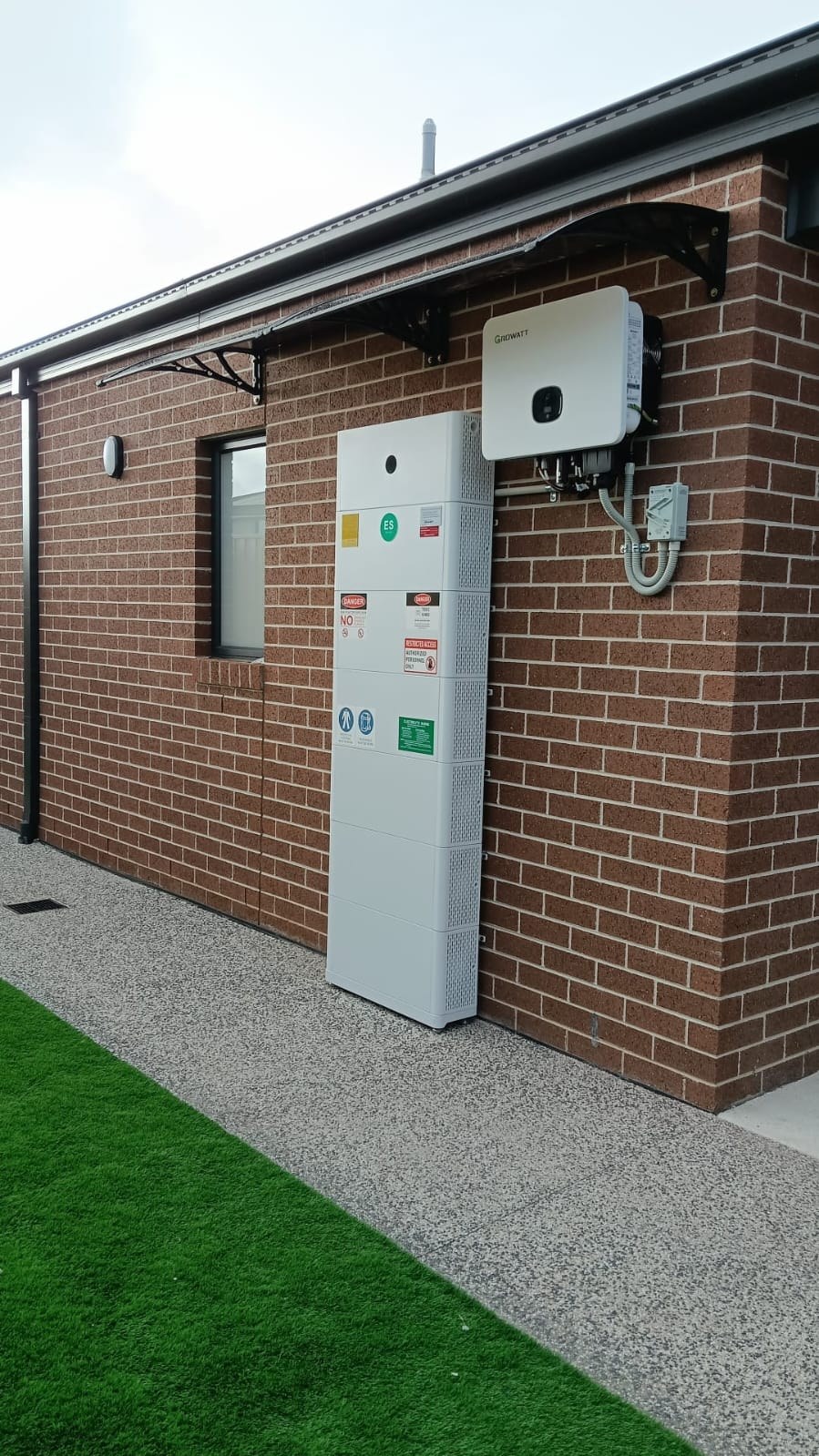
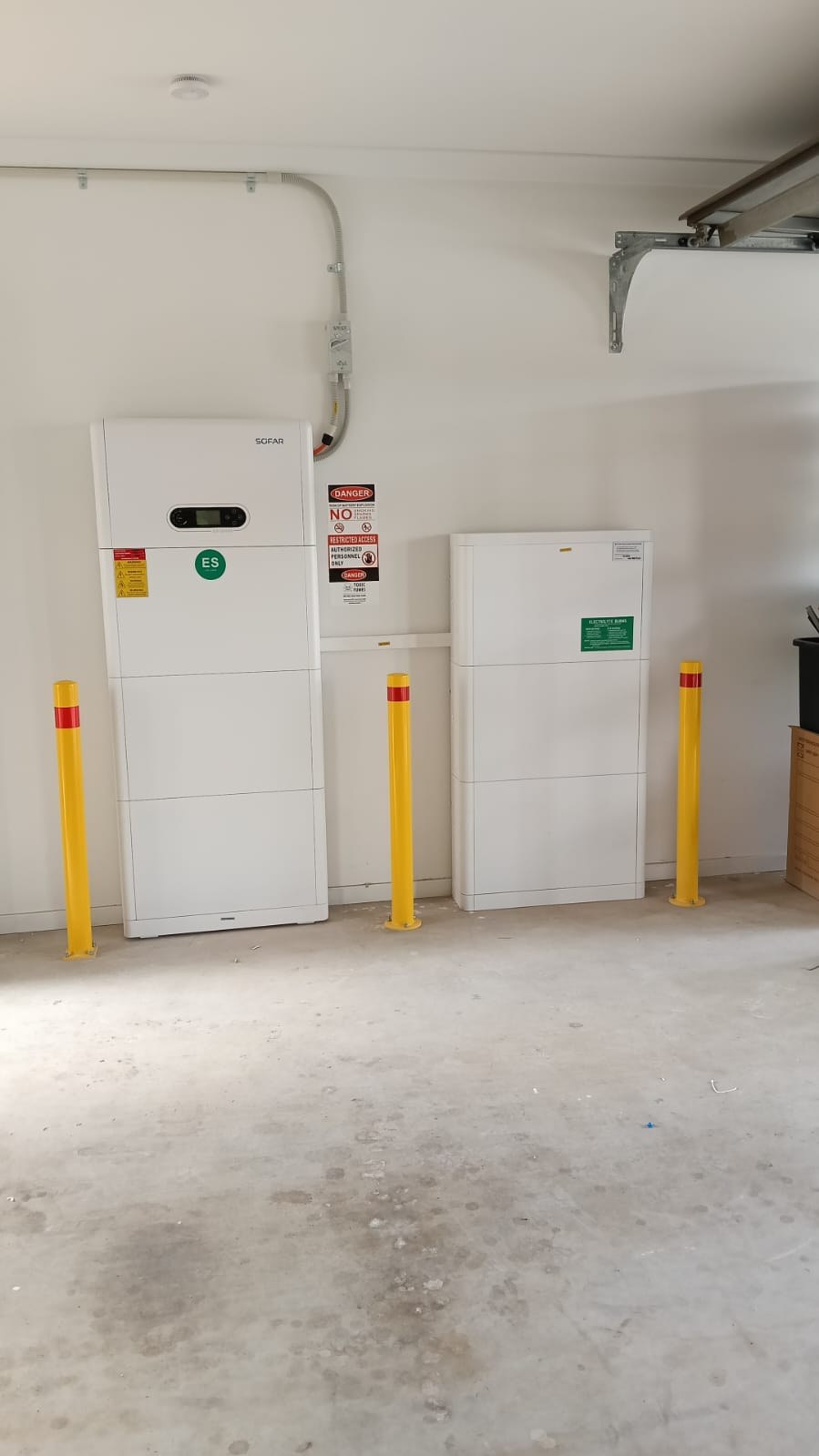
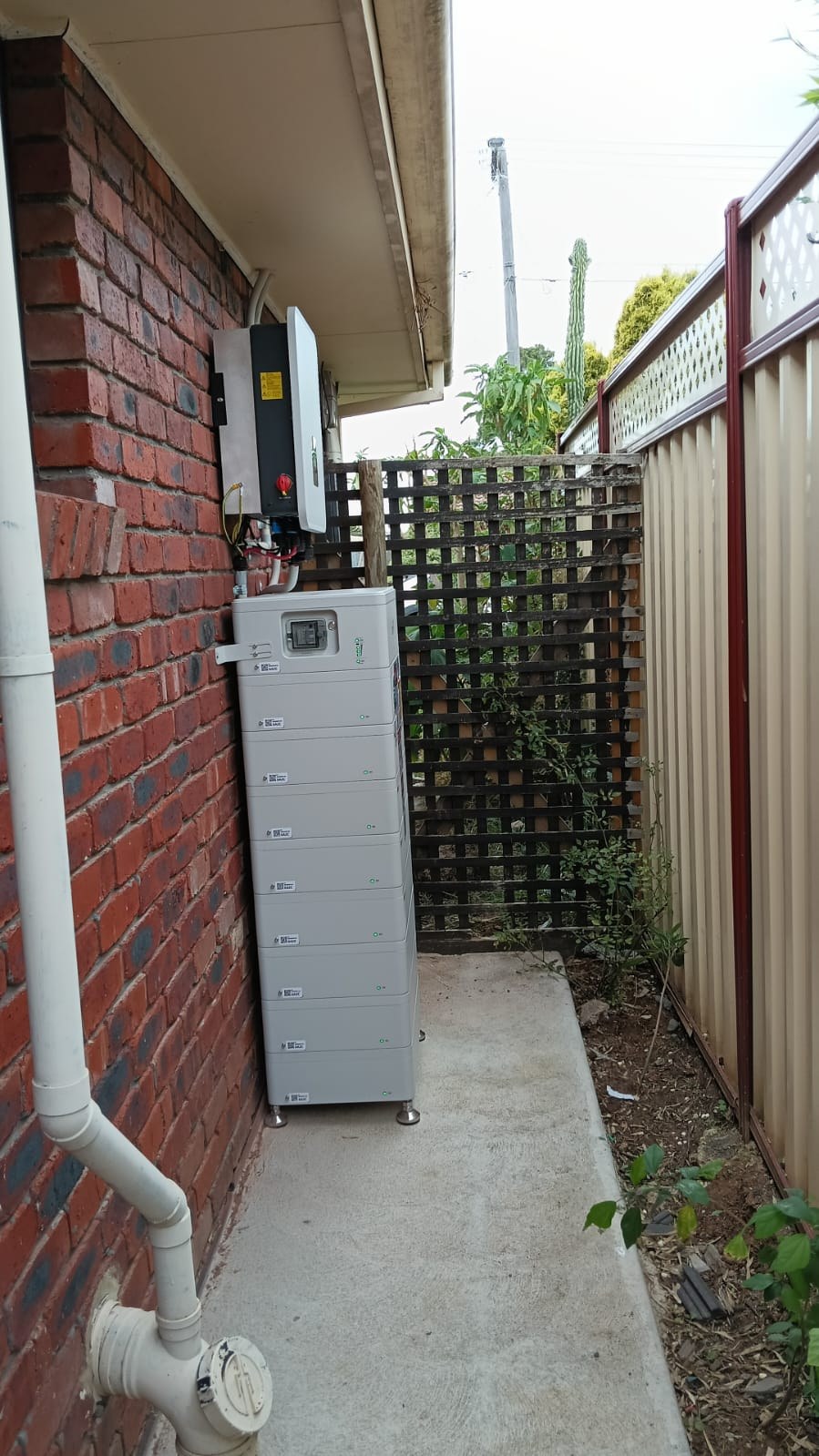
From late 2024 through 2026, NSW households installing an eligible residential battery system (e.g. Tesla Powerwall 3, Sigenergy, FoxESS, or AlphaESS) with Virtual Power Plant (VPP) capability can access Peak Reduction Certificates (PRCs), delivering between $1,600 and $2,400 in direct upfront point-of-sale invoice reductions. This is in addition to the Federal STC solar discount.
5. Queensland (PeakSmart), South Australia (REPS) & WA
Connecting an Demand Response Enabling Device (DRED) to a compatible 4kW+ reverse-cycle air conditioner earns homeowners a direct $400 cash reward via EFT payment. You can claim up to 5 units per household ($2,000 total).
Energy retailers operating in South Australia are legally mandated to achieve energy efficiency targets. Accredited providers generate REPS credits when swapping out old resistive hot water cylinders for modern heat pumps, lowering customer gap fees to $150–$400.
6. Ensuring 100% Invoice Transparency from Your Installer
Unfortunately, unscrupulous operators occasionally quote a "discounted" package without disclosing the exact quantity of certificates created, pocketing a portion of your government entitlement as hidden margin. Voltz Energy operates on 100% transparent open-book accounting:
- The invoice must state the exact quantity of STCs, VEECs, or PRCs created (e.g. "55 STCs @ $39.50 = $2,172.50").
- Equipment models must be identified by their full approved CER/ESC model numbers (e.g. "Emerald HP270-PRO-R290").
- Decommissioning evidence and compliance certificate numbers must be handed to you in physical and digital formats upon job sign-off.
Frequently Asked Questions
Q: Can renters or landlords claim these clean energy rebates?
Yes. In Victoria and NSW, both owner-occupiers and residential rental providers (landlords) can access VEU and PDRS upgrades for tenanted properties, helping rental homes meet minimum energy efficiency rental standards.
Q: Do rebates count as taxable income for residential homeowners?
No. Point-of-sale environmental certificate assignments (STCs, VEECs, PRCs) are treated as capital cost deductions by the Australian Taxation Office (ATO) and do not constitute taxable income for residential households.
Q: What happens if a scheme runs out of funding?
Market certificate schemes like Federal STCs and Victorian VEU do not rely on fixed government budget allocations: they are funded by energy retailers meeting mandatory annual legislative quotas. They do not 'run out of money' mid-year like simple grant programs.
Voltz Energy Engineering Directorate
GEELONG LABEvery audit published by Voltz Energy is authored by licensed electricians, CEC-accredited solar and storage designers, and certified HVAC refrigeration mechanics. We do not accept sponsored content or third-party paid product placements.