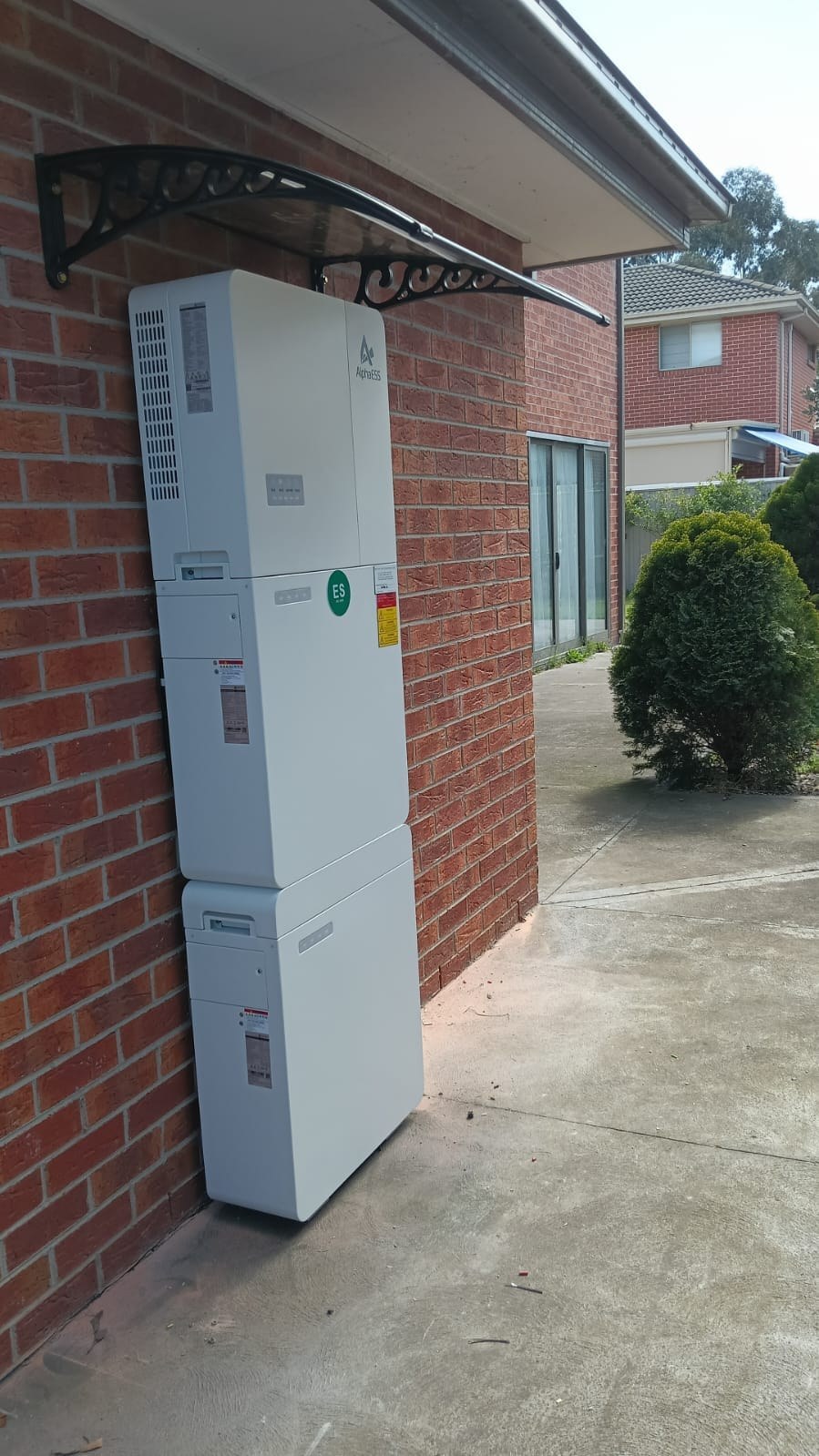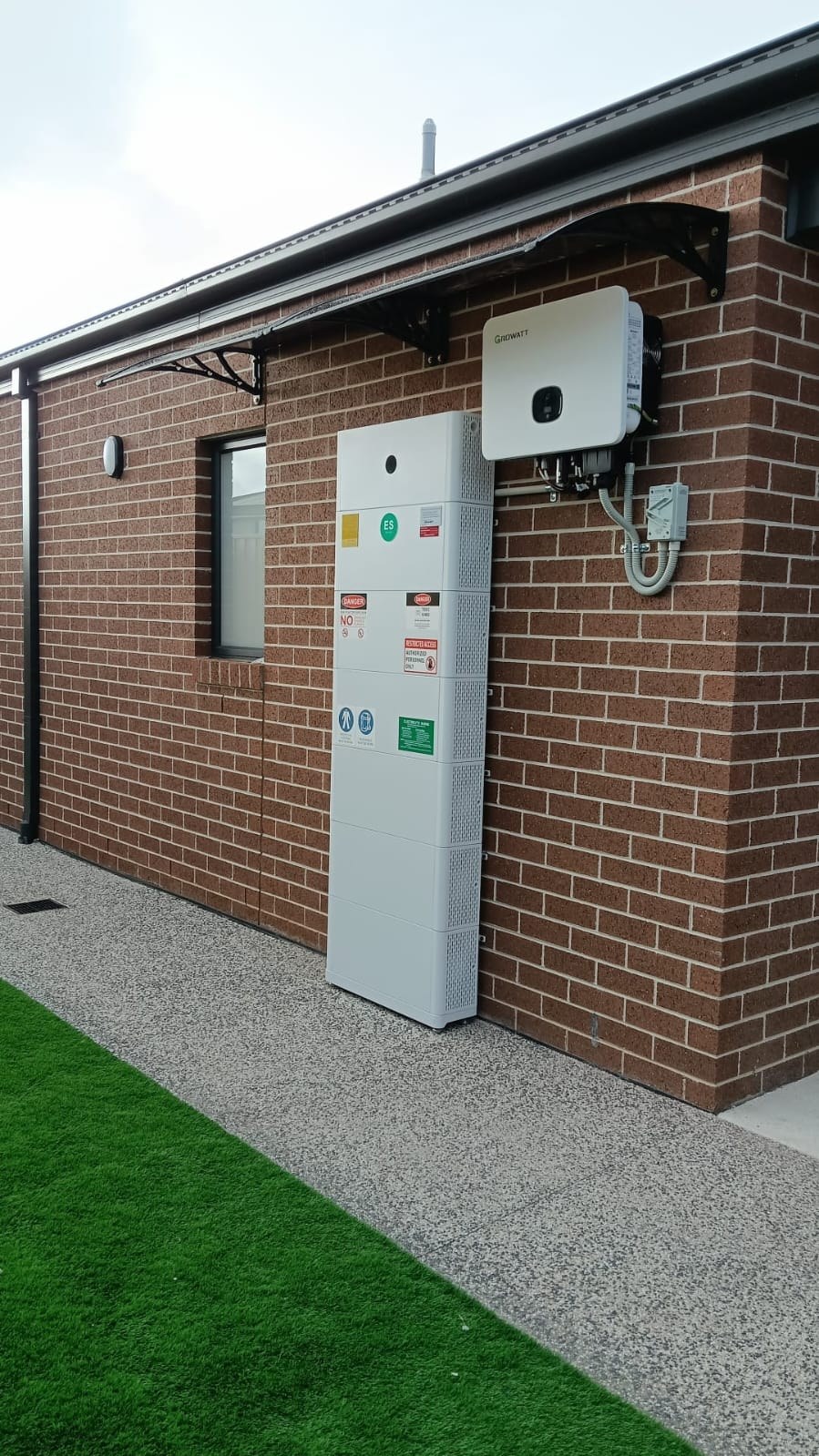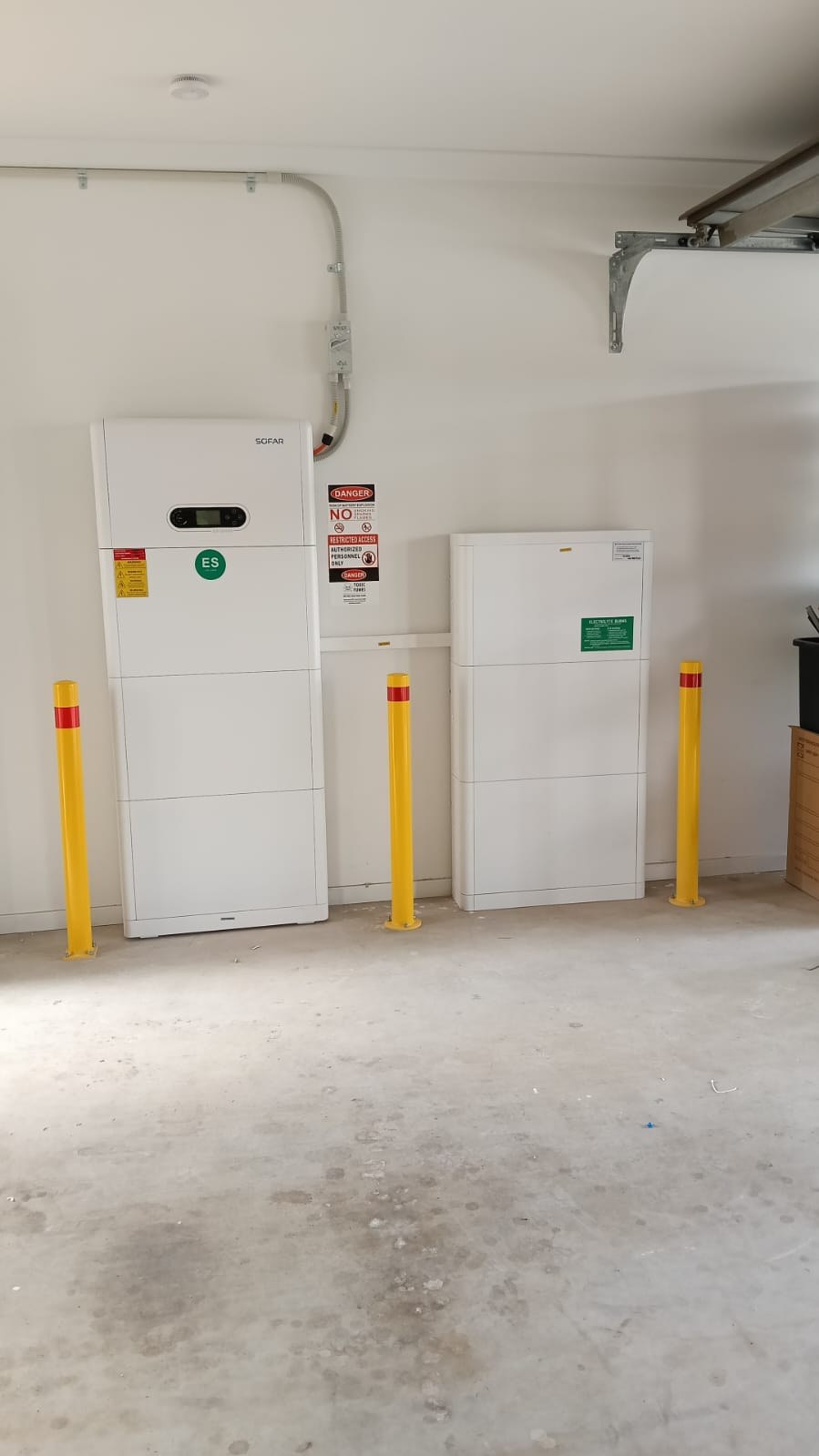
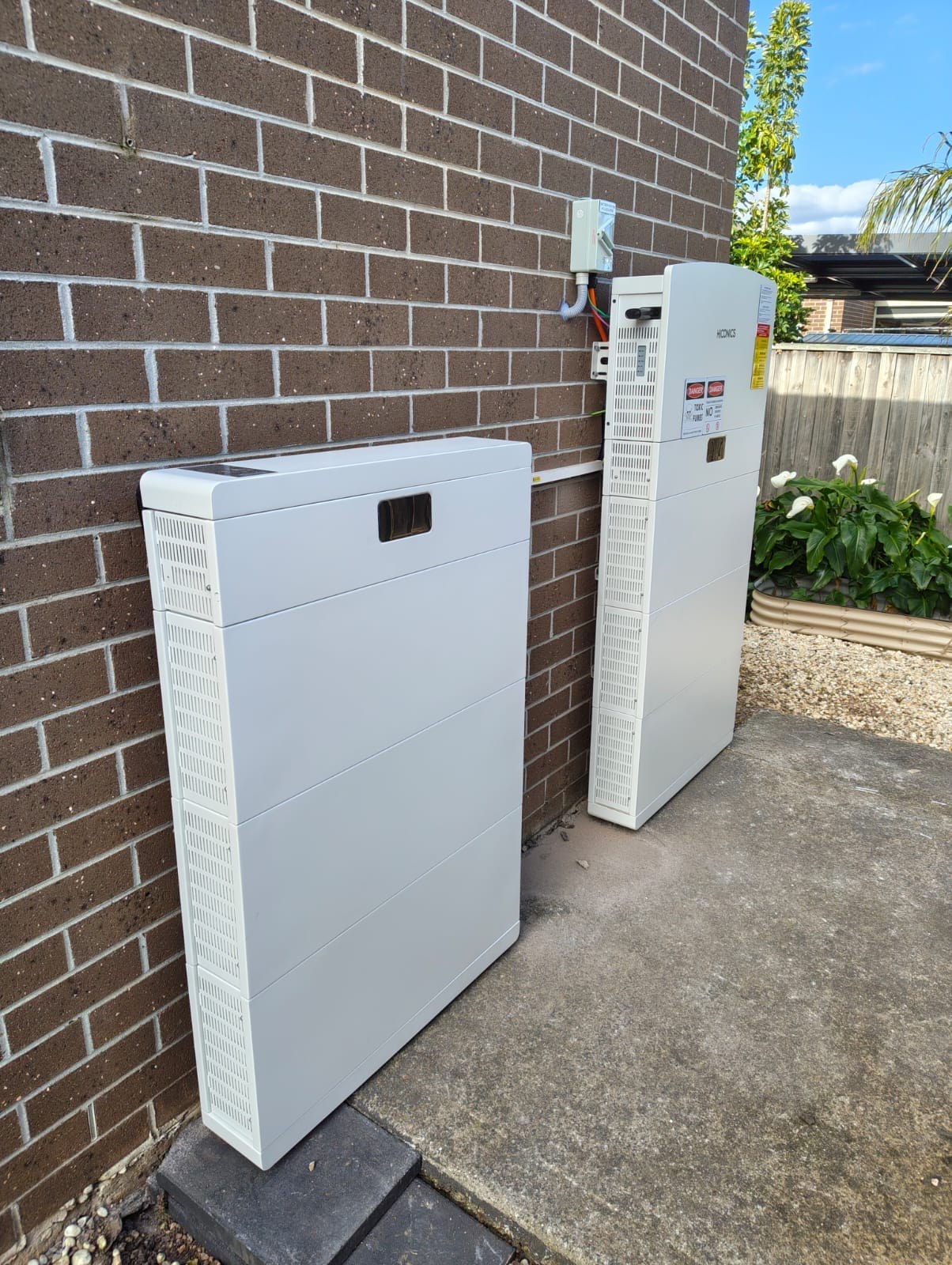
13.2kW Tier-1 N-Type TOPCon bifacial array engineered with 35mm heavy-duty anodized alloy frames in Werribee, VIC.
- ✓ P-Type PERC panels suffer from Boron-Oxygen defect complexes causing 2% to 3% Light-Induced Degradation (LID) in their very first year under Australian sun.
- ✓ N-Type TOPCon uses phosphorus-doped silicon with zero boron, eliminating LID and capping 30-year lifetime degradation at under 0.4% annually.
- ✓ With a superior temperature coefficient of -0.30%/°C (vs -0.38%/°C for PERC), N-Type panels produce 4% to 6% more electricity on 40°C summer days when rooftop cells reach 65°C.
- ✓ N-Type bifacial panels harvest an extra 5% to 15% reflected albedo yield from light-coloured Colorbond roofs, boosting total energy generation.
1. The Quantum Physics of Solar Silicon: N-Type vs P-Type
For over a decade, the Australian residential rooftop solar market was dominated by P-Type PERC (Passivated Emitter and Rear Cell) technology. While PERC brought solar costs down dramatically, it carries inherent chemical limitations under extreme ultraviolet exposure.
In P-Type silicon, the crystalline silicon wafer is doped with Boron to create a positive charge. When exposed to sunlight and elevated temperatures, boron atoms bond with residual oxygen impurities in the wafer, forming Boron-Oxygen defect complexes. These defects trap photogenerated electrons before they can reach the electrical contacts, leading to:
- Light-Induced Degradation (LID): An unavoidable 1.5% to 2.5% permanent loss of rated nameplate power within the first 6 months of installation.
- Light and Elevated Temperature Induced Degradation (LeTID): An additional 2% to 4% degradation occurring in hot summer climates when panels sit at 60°C+ for prolonged afternoons.
N-Type TOPCon (Tunnel Oxide Passivated Contact) replaces boron with Phosphorus. Phosphorus carries an extra valence electron and forms zero chemical bonds with oxygen impurities. LID is chemically impossible, and the carrier lifetime of electrons is up to four times longer, pushing panel conversion efficiencies beyond 22.8%.
2. Temperature Coefficients in 45°C Australian Summers
All solar panels are rated in factory test laboratories at Standard Test Conditions (STC): 25°C cell temperature, 1000 W/m² irradiance, and Air Mass 1.5. But anyone who has touched a Melbourne Colorbond roof in January knows that rooftop cells do not operate at 25°C.
On a 42°C day with 1000 W/m² solar irradiance, rooftop solar cells operate between 65°C and 70°C - a full 40°C above standard test ratings.
For every degree Celsius above 25°C, solar cells lose power according to their Temperature Coefficient of Pmax:
- P-Type PERC Panel (-0.38%/°C): 40°C rise × -0.38% = 15.2% power loss. A 440W panel produces only 373 Watts.
- N-Type TOPCon Panel (-0.30%/°C): 40°C rise × -0.30% = 12.0% power loss. A 440W panel produces 387 Watts.
That 14 Watt difference per panel across a 30-panel array equates to an additional 420 Watts of continuous clean power precisely when your air conditioner is working hardest.
3. Side-by-Side Cell Architecture Metrics
| Technical Parameter | Older P-Type PERC | Modern N-Type TOPCon |
|---|---|---|
| Wafer Substrate / Dopant | P-Type (Boron Doped) | N-Type (Phosphorus Doped) |
| Year 1 Initial Degradation | 2.0% – 2.5% (LID Loss) | < 1.0% (Zero LID) |
| Annual Degradation (Years 2–30) | 0.55% / year | 0.40% / year |
| Retained Power at Year 30 | 80.2% | 87.4% (+7.2% extra energy) |
| Bifaciality Factor (Rear Efficiency) | 65% – 70% | 80% – 85% |
| Product & Performance Warranty | 12 – 15 Year Product | 25 – 30 Year Comprehensive |
4. Bifaciality & Rear-Side Reflection on Tin and Tile Roofs
N-Type TOPCon panels are predominantly manufactured in a glass-glass dual-sided (bifacial) configuration. While bifacial modules are widely used in commercial ground-mount solar farms, they offer unexpected gains on suburban residential roofs when mounted with standard 100mm tilt rails.
Light-coloured metal roofs (such as Colorbond Surfmist, Classic Cream, or Shale Grey) have a high solar albedo rating of 35% to 55%. Diffuse light bounces beneath the solar array and is absorbed by the rear face of the N-Type cells. In our field telemetry installations across Point Cook and Werribee, bifacial rear gain delivers an extra 4% to 9% daily kilowatt-hour yield compared to monofacial backsheet panels.
5. Mechanical Integrity & 5400 Pa Storm Resistance
Australian roofs endure severe meteorological stress: high UV radiation, coastal salt spray, and intense thunderstorm wind uplifts. Voltz Energy exclusively specifies panels built with:
- 35mm Heavy-Duty Anodized Aluminium Frames: Providing rigid resistance against wind deflection that cracks fragile silicon cells (micro-cracks).
- 5400 Pa Snow / 2400 Pa Wind Load Certification: Rated to withstand Category 2 cyclonic wind shear under Australian Standard AS/NZS 1170.2.
- Dual 2.0mm Semi-Tempered Glass: Eliminating moisture ingress and Potential Induced Degradation (PID).
Frequently Asked Questions
Q: Are N-Type TOPCon panels much more expensive than PERC?
No. Global manufacturing scale has brought N-Type pricing within 5% to 8% of older PERC modules. Given that N-Type generates 10% to 15% more total energy over its 30-year lifetime, the levelised cost of energy (LCOE) is significantly cheaper.
Q: Which manufacturers produce verified Tier-1 N-Type panels?
Voltz Energy sources Tier-1 panels from JinkoSolar (Tiger Neo Series), Canadian Solar (TOPHiKu6), LONGi Solar (Hi-MO X6), and Risen Energy (Titan).
Q: Can I mix N-Type panels with an existing older solar system?
Yes, but they must be connected on a separate Maximum Power Point Tracking (MPPT) string input on your inverter so their superior operating voltage does not pull down or clash with older panels.
Voltz Energy Engineering Directorate
GEELONG LABEvery audit published by Voltz Energy is authored by licensed electricians, CEC-accredited solar and storage designers, and certified HVAC refrigeration mechanics. We do not accept sponsored content or third-party paid product placements.